Do Weight Loss Patches Work? An Honest Answer
 By Paul Butler · Online Coach & Personal Trainer
Let's rip the plaster off early: no, they don't.
If you searched "do weight loss patches work" hoping for a different answer, I understand. The adverts are slick, the price feels harmless, and sticking something on your arm is a lot more appealing than a Tuesday leg session. But there is no reliable evidence that any stick-on patch causes fat loss. Not the herbal ones, not the "thermo" ones, and definitely not the ones borrowing the GLP-1 name. That's not me being a grump. That's what the research, and more tellingly the complete absence of it, says.
I've spent years coaching busy people, which means I've spent years watching quick fixes come and go. Patches are just the current one with the best marketing budget. So let's go through what they are, what's in them, why your feed is suddenly full of them, and what to do with the twenty quid instead.
What are weight loss patches?
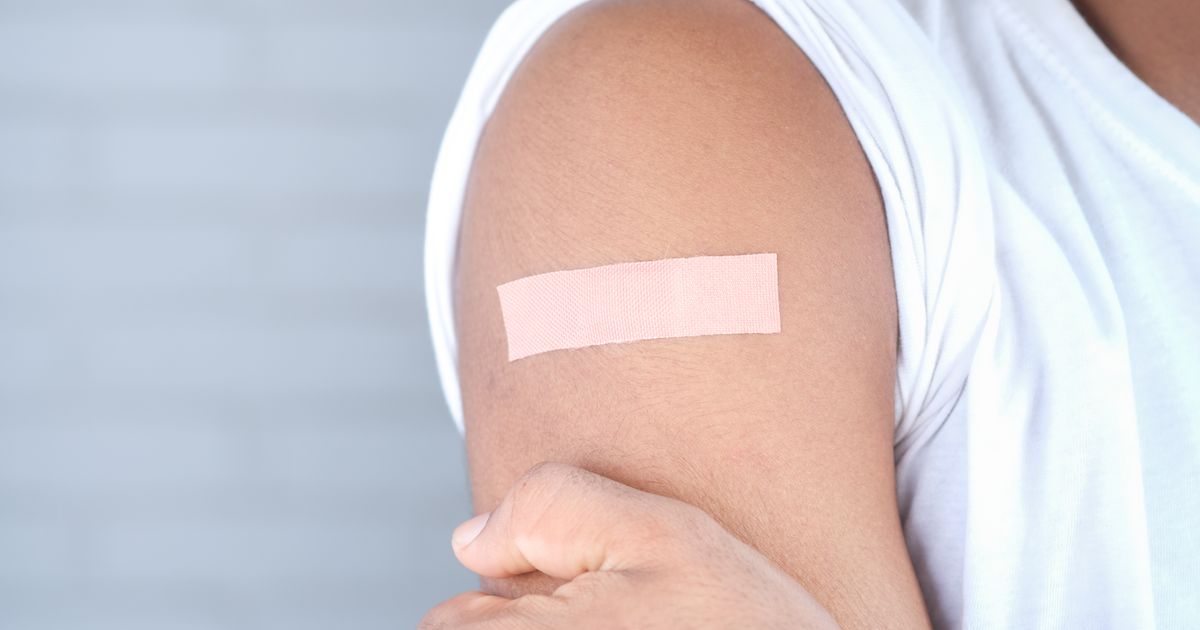
A weight loss patch is a sticky plaster you wear on your arm, stomach or shoulder, usually for a day at a time. The claim is that the ingredients soak through your skin and quietly burn fat, curb your appetite or "boost your metabolism" while you get on with your life. The main types you'll see:
- Herbal patches, with things like green tea extract, seaweed, garcinia cambogia or ginger.
- Stimulant patches, built around caffeine or bitter orange extract.
- "Thermo" or fat-burner patches, which promise to raise the rate you burn calories at rest.
- "GLP-1 patches", the newest wave, sold on the back of prescription injections like Wegovy and Mounjaro. We'll deal with these properly in a minute, because they deserve it.
- Microneedle patches, a genuinely interesting research area that exists in laboratories, not on TikTok Shop. What's being studied bears no relation to what's being sold.
How they claim to work (and the problem with that)
The pitch leans on something real. Medicine does deliver some drugs through the skin: nicotine patches and HRT patches genuinely work. But those are regulated medicines, engineered over decades, using specific molecules chosen precisely because they can cross skin at a controlled dose. Patch sellers borrow that credibility and hope you don't look closer.
Here's the closer look. Your skin's entire job is keeping things out. It's a barrier, and a very good one. Most of the ingredients in weight loss patches either can't cross it in meaningful amounts, or haven't been shown to do anything useful for fat loss even when you swallow them. Green tea extract in a capsule has weak evidence at best. Green tea extract fighting its way through your epidermis has none.
So, do weight loss patches actually work?
No. Medical News Today's review puts it plainly: there is no reliable evidence that weight loss patches are effective in humans. No patch has been approved by any medicines regulator for weight loss. They're sold as cosmetics or supplements, which means nobody independently checks whether they work, what's in them, or at what dose.
Think about what that means for a second. If a patch genuinely caused fat loss, it would be a medicine. It would be regulated like one, studied like one, and your GP would prescribe it. It isn't, it isn't, and they don't.
I'll add a personal note here. I live with Cystic Fibrosis and take 30-odd tablets a day to stay alive, so I have a fairly good working knowledge of what it takes to get a compound into a body at a dose that actually does something. If sticking something on my arm worked, I would be first in the queue with a trolley. I'm not, because it doesn't.
The "GLP-1 patch" problem
This one needs its own section, because it's the sharpest trick in the current batch.
GLP-1 injections (the likes of Wegovy and Mounjaro) genuinely do cause significant weight loss. They're prescription medicines with proper trials behind them. So marketers started selling "GLP-1 patches" to ride that wave, and here's the thing: they contain no GLP-1 whatsoever. They couldn't even if they wanted to, because GLP-1 molecules are far too large to pass through skin. What's actually in them is the usual line-up of berberine, cinnamon and herbal extracts with thin evidence.
A "GLP-1 patch" is a Ferrari bicycle. The word doing the selling is not the thing you're buying.
And to be fair to anyone considering the real thing: if you're thinking about actual GLP-1 medication, that's a conversation for your GP or a registered pharmacy, not a checkout page that found you through an advert. They're serious medicines with serious considerations, and they still work best alongside the training and food habits we'll get to below.
Why your feed is suddenly full of them
Because they sell, and they sell because of a quirk of human nature I see every single week: buying something feels like progress.
Ordering the patches produces the same little hit of "right, I'm sorting myself out" as actually going for the walk, except it's available from the sofa. I once spoke to someone who couldn't understand why they weren't losing weight. They had a patch on their arm, a detox tea in the cupboard, a fat burner in the drawer and a metabolism booster on subscription. The only thing they hadn't bought was a vegetable.
The pricing is clever too. Twenty to thirty pounds a month is cheap enough that you don't demand proof, and most of them auto-rebill, quietly, forever. Over a year that's a few hundred pounds for some sticky plasters. The same money buys a lot of protein, or a decent pair of trainers, or quite a few months of actual coaching.
Here's what I believe after all these years of doing this: supplements are the last five percent. If sleep, food, hydration and steps aren't sorted, no supplement fixes that, and patches don't even make the five percent. They're the zero percent with good branding.
Any side effects to worry about?
A few, which is a poor deal for something that doesn't work:
- Skin irritation is the common one: redness, itching and rashes where the adhesive sits.
- Stimulant effects from caffeine or bitter orange, including a racing heart, jitters and worse sleep. Bitter orange in particular has a questionable safety record.
- Unknown doses. Because nobody regulates them, you genuinely don't know how much of anything you're getting, or how it interacts with medication you're already on.
The usual honesty moment: this article is general information, not medical advice. If you're on medication, pregnant, or managing a health condition, have a word with your GP before trying any weight loss product. And if you've been losing weight without trying, that's a GP conversation too, not a celebration.
What to do instead (the boring stuff that works)
The frustrating truth about fat loss is that the recipe is short, costs nothing, and is completely allergic to marketing:
- A sensible calorie deficit you can actually hold. Around 300 to 500 calories below maintenance, judged across the whole week, weekends included. If you've tried that and the scale won't budge, I've written about why a calorie deficit stalls.
- Protein at most meals. It keeps you full and protects your muscle while the fat comes off.
- Daily steps. A walk does more for fat loss than every patch ever printed, and nobody's ever regretted a walk.
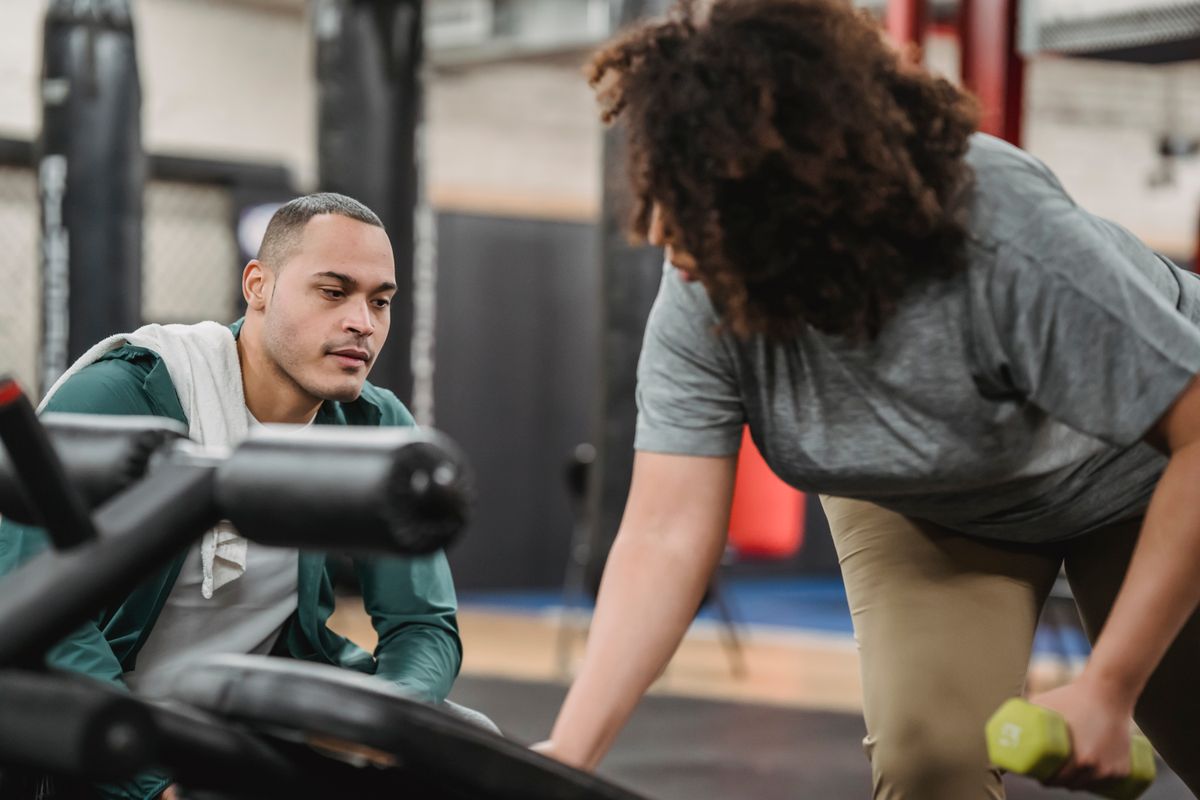
- Strength training two or three times a week. So the weight you lose is fat, not muscle, and if you want the honest timeline for that, here's how long a stone really takes.
- Sleep. The most underrated fat loss tool there is, and it costs nothing.
None of it sticks to your arm. All of it sticks long term. That's the trade.
The NHS has solid guidance on losing weight safely if you want the official version. And if the problem isn't knowing what to do but actually doing it around a busy life, that's not a patch problem or a knowledge problem. It's a structure problem, and it's fixable. If you'd like that structure sent to you rather than built from scratch, DM me STARTING on Instagram @paulbutler.coach and I'll send you The Starting Point.
Frequently asked questions
Do any weight loss patches actually work?
No. There's no reliable evidence for any of them, and no patch is approved by medicines regulators for weight loss. If one ever genuinely worked, it would be a prescription medicine, not a TikTok Shop item.
What are the side effects of weight loss patches?
Skin irritation where the patch sits is the common one. Stimulant-based patches can cause a raised heart rate, jitters and poor sleep. Because they're unregulated, doses and interactions are a genuine unknown.
How long does it take for a slimming patch to work?
Trick question. Any weight you lose while wearing one comes from changes you made to your eating and movement at the same time. The patch is a very sticky passenger.
Are GLP-1 patches the same as the weight loss injections?
Not even close. The injections are prescription medicines containing actual GLP-1 receptor agonists, with strong trial evidence. The patches contain no GLP-1 at all, because the molecule can't cross skin. They're herbal stickers trading on a medical name.
Are weight loss drinks or supplements any better than patches?
Marginally, and only some. Protein powder is useful food in powder form, creatine is well proven for training, and vitamin D makes sense in a British winter. Fat burners, detox teas and "slimming" drinks belong in the same bin as the patches.
What's the fastest way to lose weight without gimmicks?
A moderate calorie deficit you can hold for months, protein, steps, strength training and sleep. Slower than the adverts promise, and it sticks, because you only have to do it once.
This is the bit nobody sells you, because there's no subscription in it. The Starting Point is five days of the fundamentals that genuinely shift the needle, then a four week programme built round your life rather than an idealised version of it. No cost, no catch, nothing to cancel.
Start here, or read Why You Keep Starting Over (And Why That's Not a Character Flaw) if the quick fixes were really about wanting a fresh start.
This article is general information, not medical advice. Speak to your GP before starting any weight loss product or plan, especially if you take medication or are managing a health condition. Images: Towfiqu Barbhuiya, Yaroslav Shuraev and Julia Larson via Pexels.
