
Why You Keep Starting Over (It's Not a Character Flaw)
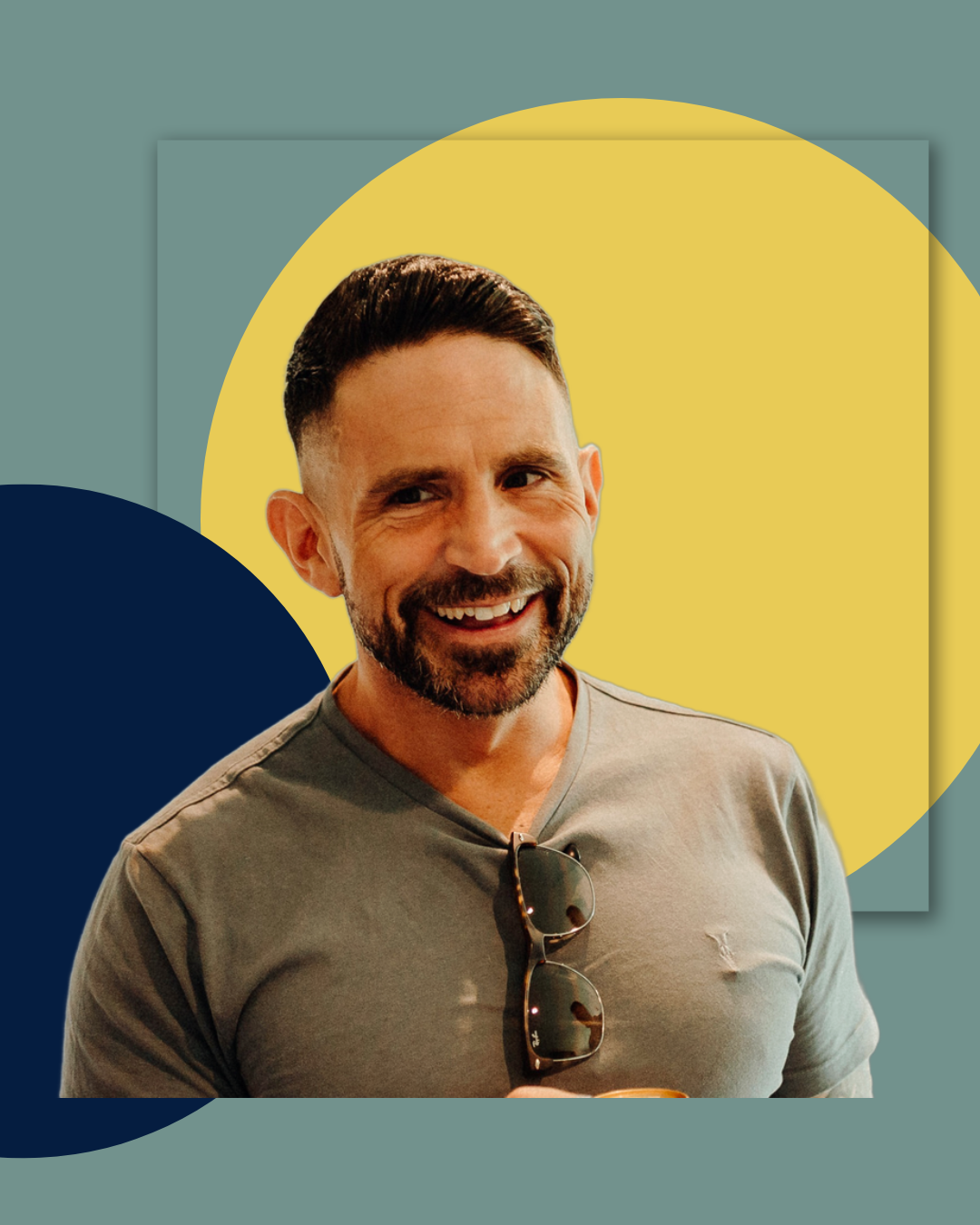 By Paul Butler · Online Coach & Personal Trainer
If starting diets burned calories, you'd be shredded by now.
Let's be honest about why you keep starting over, because it isn't laziness and it isn't a broken personality. Starting again is frightening. Every previous attempt ended, and somewhere along the way you started treating those endings as evidence about who you are. So each new start carries more weight than the last one. More hope riding on it, more fear of being back here again in six weeks, quietly deleting the tracking app.
Nobody talks about that part. The plans all assume you're ready and raring. Most of the people who message me aren't ready and raring. They're nervous. They've been here before. And the first thing I want them to know is the first thing I want you to know: nothing about that is a character flaw.
The fear nobody talks about
Here's what restarting actually feels like, in case you thought you were the only one. The dread of the first session back, because you know exactly how far you've slipped and you'd rather not have it measured. The feeling that everyone in the gym can somehow tell it's your first week. The worry that people who watched you try last time are watching you try again. And underneath all of it, the quiet fear that this attempt will end like the others, and confirm the story you've started believing about yourself.
If that's you, you're not fragile and you're not rare. You're the majority. Les Mills surveyed over 10,000 people for their 2026 Global Fitness Report and found that 37% aren't confident working out, half feel intimidated by the weights area, and 54% of people who want to start lifting simply don't know where to begin. There's even a word for it now, gymtimidation, which is what happens when a place full of mirrors meets a head full of doubt.
One thing worth knowing about that mirror wall: it doesn't come with an audience. Everyone in there is far too busy worrying about their own form, their own belly, their own first week back, to be reviewing yours. The most self-conscious room in Britain is also the least observant one. There's a strange comfort in that.
Starting over is normal (no, really)
The consistent people you quietly compare yourself to have all fallen off. All of them. The runner you see every morning has had months off with injuries and lost motivation. The friend who "just got into it" quit twice before it stuck. The difference between them and you isn't that they never stopped. It's that stopping stopped meaning anything. They treat a bad fortnight like bad weather: annoying, temporary, and nothing whatsoever to do with their character.
That's the entire shift, honestly. Not a new plan. A new relationship with the restart. Consistency isn't glamorous. It's just making fewer dramatic announcements and more boring decisions, and it includes the boring decision to begin again without holding a trial about last time.
The advice is making you anxious, not informed
Part of the fear is that you no longer know who to believe. The same Les Mills research found 58% of people who already train are confused by conflicting advice, and no wonder. Carbs are fine and carbs are the devil. Cardio is essential and cardio is pointless. Fast until noon, never skip breakfast. Everyone online is supremely confident and half of them contradict the other half.
Two honest reasons for the mess. A lot of fitness content exists to get views rather than help anyone, and confident extremes get more views than sensible middles. And even the genuine advice conflicts because it was written for different people, with different bodies, goals and lives, though the headlines never mention that bit.
Here's the reassuring translation: the reason you feel overwhelmed isn't that you're behind on the reading. It's that most of the reading was never going to help. The basics haven't changed in decades. Eat a bit less, mostly decent food. Move most days. Lift something a couple of times a week. Sleep. That's the syllabus, and you already know it.
The real reasons you stop (none of them are character flaws)
- The plan was too big. New calories, five sessions a week, no alcohol, new person by Friday. All-or-nothing plans produce nothing far more often than all, and each collapse takes a bite out of your confidence on the way down.
- Every day was a negotiation. When nothing's decided in advance, every meal becomes a decision, and by Thursday you've made hundreds. Willpower doesn't run out because you're weak. It runs out because you spent it all on deciding.
- One bad day was treated as a verdict. You ate a biscuit. The biscuit was innocent. The "well, that's ruined it" spiral afterwards, the one that turns a biscuit into a lost fortnight, does more damage than any biscuit in history.
- You were running on motivation. Motivation is lovely and it lasts about eleven days. If motivation worked, gyms wouldn't be empty by February. Structure is what shows up when motivation doesn't, and structure doesn't care how you feel about Mondays.
Confidence isn't a prerequisite. It's a result.

This is the bit the fitness industry gets backwards. It sells confidence as the entry requirement: the before photo, the bold declaration, the leap. But nobody feels confident at the start of attempt six. Waiting to feel ready is how six months disappear.
Confidence is evidence. Nothing more mysterious than that. It's your brain keeping score of promises kept, and it doesn't care how small they are. Walk for ten minutes when you said you would, and the score moves. Do it again tomorrow, and it moves again. Do the smallest possible version on the days you can barely show up, one walk, one decent meal, and the score keeps moving, because the only number that breaks the run is zero. A fortnight of that and something odd happens: the Sunday dread quietens down, not because you talked yourself into feeling brave, but because you've got receipts now.
So start scared. That's allowed. Courage is doing it nervous. Confidence is just what turns up after a fortnight of doing it nervous.
A plan that expects you to be human
The mechanics matter less than the sizing, so I'll keep this short. Keep the eating side modest: a small calorie deficit, which just means eating a bit less energy than your body uses, held loosely across the week rather than perfectly every day. Decide your meals before the week starts so you're not negotiating with yourself at every mealtime. Leave room for a weekend takeaway on purpose. And never miss twice: one off day is a day, two in a row is a pattern forming.
The food and calorie specifics deserve their own posts, and they'll get them. For now, if you've been consistent and the scale still won't budge, here's why a deficit stalls, and if you're wondering what a realistic timeline looks like, here's the honest maths on losing a stone.
And if you'd rather not size it yourself, DM me STARTING on Instagram @paulbutler.coach and I'll send you The Starting Point.
Rebuilding trust with yourself
After enough restarts, the real damage isn't on the scale. It's that you've stopped believing your own promises. And you don't fix that with a bigger promise. You fix it with smaller ones, kept.
The goal of your first month back isn't fat loss. It's becoming someone who does what they said they'd do, at a size of promise you can't fail. Self-trust works like savings: small, regular deposits. Miss one and the account survives. What empties it is the dramatic gesture, the giant promise made on a Sunday night that was never going to survive Tuesday.
One of the reviews I'm proudest of has nothing to do with a transformation. A client stopped working with me. Months later, when she was ready, she came back, and she wrote that she was met with no judgement, just encouragement, and that she finally feels comfortable in her own skin. That's the whole philosophy in one sentence. The restart was never the failure. The shame about restarting was.
Where health coaching fits (and where it doesn't)
So what does a health coach or wellbeing coach actually add to all this? Mostly not information. The information is out there already, some of it on this blog.
What proper weight loss coaching adds is structure and a witness. Someone who sizes the plan to your actual life, checks in every week, adjusts when things wobble, and meets a bad week with a plan instead of a lecture. Accountability isn't someone shouting at you. It's someone quietly expecting you, which turns out to matter far more, especially to people whose confidence has taken a few knocks.
And the honest bit: you don't need coaching to do this. Plenty of people manage alone, and the resources on this site exist to help you do exactly that. But if you've restarted more than a couple of times, the missing ingredient probably isn't knowledge, and it's worth being honest with yourself about what it actually is.
Frequently asked questions
Why do I keep starting over with fitness and diets?
Usually because each plan was too extreme, demanded too many daily decisions, treated one bad day as failure, or ran on motivation instead of structure. Those are design problems, not character problems, and each restart with a smaller, smarter plan is genuine progress.
How do I get the confidence to go back to the gym?
You don't wait for it, you collect it. Start with sessions so small they're hard to fail, off-peak if the crowd bothers you, and let a fortnight of kept promises do what pep talks can't. And remember half the people in there feel exactly the same as you. The audience you're worried about doesn't exist.
Is it bad that I've failed so many times before?
No. It's the normal route. Almost everyone who ends up consistent stopped and started several times first. The attempts weren't failures, they were information about what doesn't fit your life. The only genuinely costly mistake is letting shame delay the next start by months.
What does a health coach actually do?
Builds a plan around your real life, holds you accountable with regular check-ins, and adjusts as life changes. The value isn't secret knowledge. It's structure, and someone in your corner who responds to a rough patch with a plan rather than judgement.
How long until it stops feeling so hard?
Research on habit formation suggests around two months on average before things feel automatic, with a big range either side. The first fortnight is the noisy bit. Get a small plan through three or four weeks and it starts carrying you rather than the other way round.
That's usually the actual problem. Not effort, not willpower, just not knowing which small thing to do first. The Starting Point is five days of the fundamentals that genuinely shift the needle, then a four week programme built round your life rather than an idealised version of it. It's yours if you want it.
Start here. Or if you'd like to know who you'd be working with first, read Why Coach With Paul Butler? The Honest Case.
This article is general information, not medical advice. If anxiety around food, exercise or restarting cycles is affecting your day-to-day life, please speak to your GP. That's strength, not weakness. Images sourced from Pexels (free to use): JeShoots, Tony Zohari. Survey figures: Les Mills 2026 Global Fitness Report.
