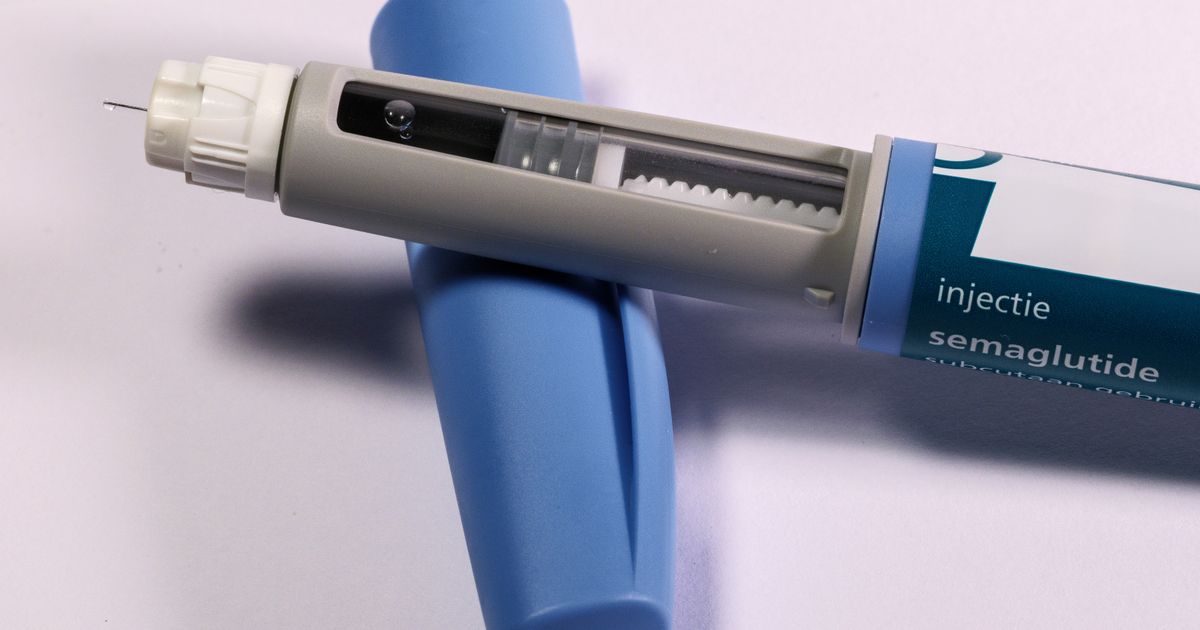
Mounjaro and Ozempic: An Honest Coach's Take
 By Paul Butler · Online Coach & Personal Trainer
As a personal trainer, I'm contractually obliged to hate the weight loss injections. I've checked the contract. Turns out honesty was in there first.
So let's do Mounjaro and Ozempic properly, because you deserve better than the two takes currently on offer: the influencers selling them as a miracle, and the fitness industry sneering at them because they're frightened. The honest position sits in the middle. These are genuinely effective medicines that are changing lives, and they are also being oversold, misused, and handed out with nothing built around them. Both things are true at once, and that's exactly why this needs a full post.
One thing before we start, and I mean it: if you're taking one of these under a doctor's care, you'll find no judgement here. Using a licensed medicine for a health problem isn't cheating. It's healthcare.
What they actually are, in plain English
Ozempic and Mounjaro belong to a family of medicines that copy your body's fullness hormones. Once a week, via a small injector pen, they turn down what people on them often call the "food noise": the constant background chatter of appetite, cravings and thinking about the next meal. Eating less stops being a daily battle because the hunger simply isn't shouting anymore.
For the record: Ozempic is technically a type 2 diabetes medicine (its sister drug Wegovy is the same compound licensed for weight loss), and Mounjaro works on two hormones rather than one, which is partly why its results are bigger. All of them are prescription-only in the UK, available through the NHS under strict criteria or privately through registered providers.
The honest case for them (and it's strong)
Facts first, as promised. In the first head-to-head trial, people on Mounjaro lost just over 20% of their body weight in around 17 months, against roughly 14% on Ozempic's compound. To put that in coaching terms: for a 20-stone person, that's around three to four stone. Dieting studies have simply never produced average results like that.
It goes beyond the scale. The SELECT trial found semaglutide cut major heart events (heart attacks and strokes) by 20% in people with heart disease and obesity. And for many people, the biggest gift is the quiet: decades of exhausting food noise, switched down for the first time in their adult lives. I've heard that described as life-changing, and I believe it.
So no, I'm not going to tell you these drugs don't work or that they're a con. For the right person, with a lot of weight to lose and a doctor involved, they can be the difference that nothing else managed. Anyone who won't admit that is protecting their business model, not you.
Problem one: the muscle bill

Here's the first thing the adverts skip. When researchers looked at what the lost weight is actually made of, roughly a quarter of it is lean mass, which mostly means muscle. Lose four stone on these medicines without doing anything else and something like a stone of it can be muscle: the stuff I've called your body's pension. Your metabolism, your strength, your steadiness on your feet at 80, all quietly sold off with the fat.
Why does it happen? The drugs make you eat much less, and your body doesn't only burn fat when food is scarce, it breaks down muscle too, especially if you're not lifting anything or eating enough protein. The pen has no opinion about any of that. It turns down hunger; it does not decide what the loss is made of. You do, with two boring tools: strength training a couple of times a week, and protein in most meals. That's not my sales pitch, it's increasingly what doctors themselves advise alongside these prescriptions. The medicine is doing something remarkable. Don't let it quietly take your engine as payment.
Problem two: the off-ramp
The second thing the adverts skip is the ending. In the STEP-1 extension study, people who stopped semaglutide regained roughly two-thirds of their lost weight within a year. For Mounjaro, SURMOUNT-4 found 82% of people who stopped regained a quarter or more of their loss within a year, with the blood pressure and health improvements reversing alongside.
This isn't weakness and it isn't mysterious. The drug was turning the appetite volume down; stop the drug and the volume comes back up, into a life where the habits were never built because they never needed to be. To be fair and honest in both directions: for some people the right answer, agreed with their doctor, is simply staying on the medication long-term, the way you'd stay on blood pressure tablets. That's a valid plan, not a failure. But if you ever intend to come off, understand this clearly: the exit is decided by what you build while you're on it. That deserves its own post, and it's getting one here in a few days.
Problem three: the wrong hands (my honest worry)
This section is my opinion as a coach, clearly labelled as such, so weigh it accordingly.
These medicines were built for people with serious weight to lose and health on the line. But right now, some online sellers will approve almost anyone who can fill in a form and pay, and I'm watching people without much weight to lose take powerful appetite suppressants to get beach-lean. My honest fear is that ten years from now we won't just be talking about an overweight problem. We'll be talking about an underweight one, and about disordered eating that started with a pen bought online. I hope I'm wrong. The flimsiness of some of those checkout questionnaires makes me doubt it.
So two serious lines. If you're getting one of these, get it through your GP or a properly registered pharmacy that actually checks you, never a website that mostly checks your card details, and definitely not the "GLP-1 patches" being flogged on social media, which contain none of the medicine at all. And if food, weight or the fear of eating has started to feel obsessive, for you or someone you love, talk to your GP or the eating disorder charity Beat. That's not drama. That's maintenance.
So... should you take them?
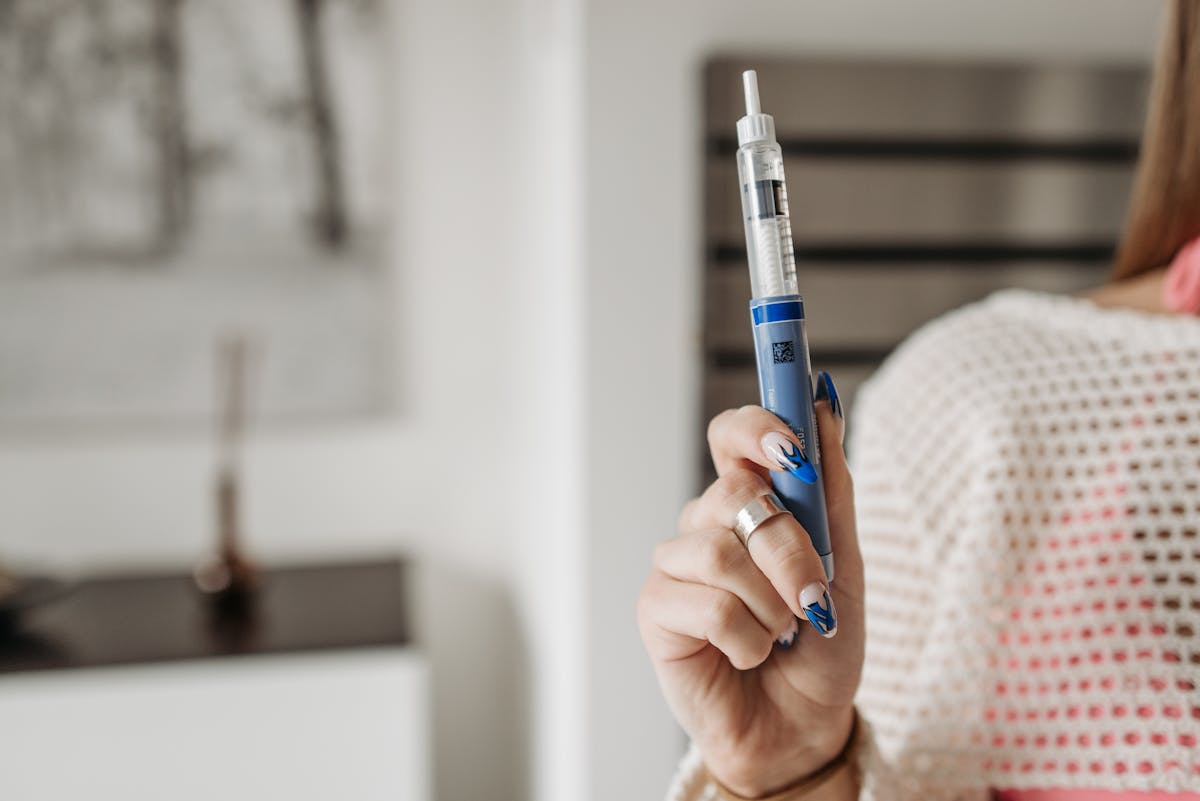
Not my call, and don't let anyone whose job isn't medicine make it for you, including me. That conversation belongs with your GP, honestly, with your full history on the table.
Here's the part that is my job. Whatever you and your doctor decide, the same four things still determine how your story ends: strength training to keep the muscle, protein to feed it, sleep to run the whole system, and a structure that survives real life. On the medication, they decide whether you lose fat or lose yourself some muscle. Off it, they decide whether the result stays. There is no pen for any of them, and there never will be.
I'll say one last thing as someone with skin in the game. I've been on daily medication my whole life. Thirty-odd tablets a day for my Cystic Fibrosis, no exit plan, no shame about a single one of them. So I hold no snobbery whatsoever about medicine. What I hold is a lifetime of knowing exactly what medicine can't do on its own. Mine keeps me alive. The training and the food are what let me live. The same division of labour applies to that pen in your fridge.
Frequently asked questions
Are Mounjaro and Ozempic the same thing?
Same family, different drugs. Both copy fullness hormones via a weekly pen, but Mounjaro (tirzepatide) works on two hormones and produced roughly 20% body-weight loss in its head-to-head trial, against about 14% for semaglutide, the drug in Ozempic and Wegovy. Ozempic is technically licensed for type 2 diabetes; Wegovy is the same compound licensed for weight.
Do you put the weight back on after stopping?
Most people regain a large share, though typically towards their old weight rather than beyond it: about two-thirds of the loss came back within a year in the semaglutide extension trial, and 82% of people stopping Mounjaro regained a quarter or more of theirs. The regain is smallest in people who built training, protein and eating structure while on the medication.
Is taking Mounjaro or Ozempic cheating?
No. Nobody calls blood pressure tablets cheating. A licensed medicine, prescribed by a doctor for a genuine health problem, is healthcare. The only version I'd quietly question is using them without a real weight problem, because that's where the risks stop being worth it, and that's a conversation for a doctor, not a comment section.
How do I avoid losing muscle on them?
Two things, neither optional: strength training two or three times a week, and protein in most meals, even when the appetite isn't asking for food. The medicine shrinks your hunger, not your muscle's need to be used and fed. Eating very little of mostly beige food is how a quarter of your loss ends up being the wrong kind.
Can you get them on the NHS?
Yes, but under strict criteria that depend on your weight, health conditions and local services, and the rules keep evolving. Your GP is the right first conversation. Privately, use a registered pharmacy or clinic that takes a proper history, and walk away from any seller whose main qualification question is your card number.
Whichever it is, the training, protein and structure side is yours to build, and it's what decides how this ends. DM me STARTING on Instagram @paulbutler.coach and I'll send you The Starting Point: five days of the fundamentals, then a four week plan that protects the muscle while the scale moves. No cost, no catch, and no judgement either way.
Or begin right now at paulbutlercoach.co.uk, and read How Quickly Can I Lose a Stone? An Honest Timeline.
This article is general information from a coach, not medical advice. Never start, stop or change a prescription medicine without your GP, and never buy weight loss medication from unregulated sellers. If eating or weight thoughts are becoming obsessive, speak to your GP or contact Beat, the UK eating disorder charity. Images sourced from Pexels (free to use): Haberdoedas, Foad Shariyati, Pavel Danilyuk. Trials cited: SURMOUNT-5, SELECT, STEP-1 extension, SURMOUNT-4, and the body-composition meta-analysis linked in the text.
