
Peptides in Fitness: What's Actually in Those Vials?
 By Paul Butler · Online Coach & Personal Trainer
Peptides are having a moment, which is quite an achievement for something most people could not define if you offered them money for it.
Ask around a gym and you will get three different answers, all delivered with total confidence. So let me do the boring, useful thing and explain what the word actually means, because the confusion is not accidental and it is doing real harm.
A peptide is a short chain of amino acids. Amino acids are what protein is built from. That is the whole definition. It describes a shape of molecule, not a category of product, and certainly not a category of risk.
Which means asking "are peptides safe?" is a bit like asking "are liquids safe?" Depends enormously on the liquid.
Aisle one: licensed peptide medicines
This is the aisle nobody argues about, and it is the reason the word has any credibility at all.
Insulin is a peptide, and has kept people alive since the 1920s. The weight loss injections everyone is talking about are peptides too: semaglutide and tirzepatide, the drugs in Ozempic, Wegovy and Mounjaro. I wrote about those at length in my honest take on Mounjaro and Ozempic, and the short version is that they work and they are not a free lunch.
What makes this aisle different is not the molecule. It is the paperwork. These have been through clinical trials, have a licence from a medicines regulator, come with a known dose, and reach you through a prescriber who takes a history first.
That paperwork is the entire difference between medicine and gamble. Worth holding on to as you read the next bit.
Aisle two: the gym market
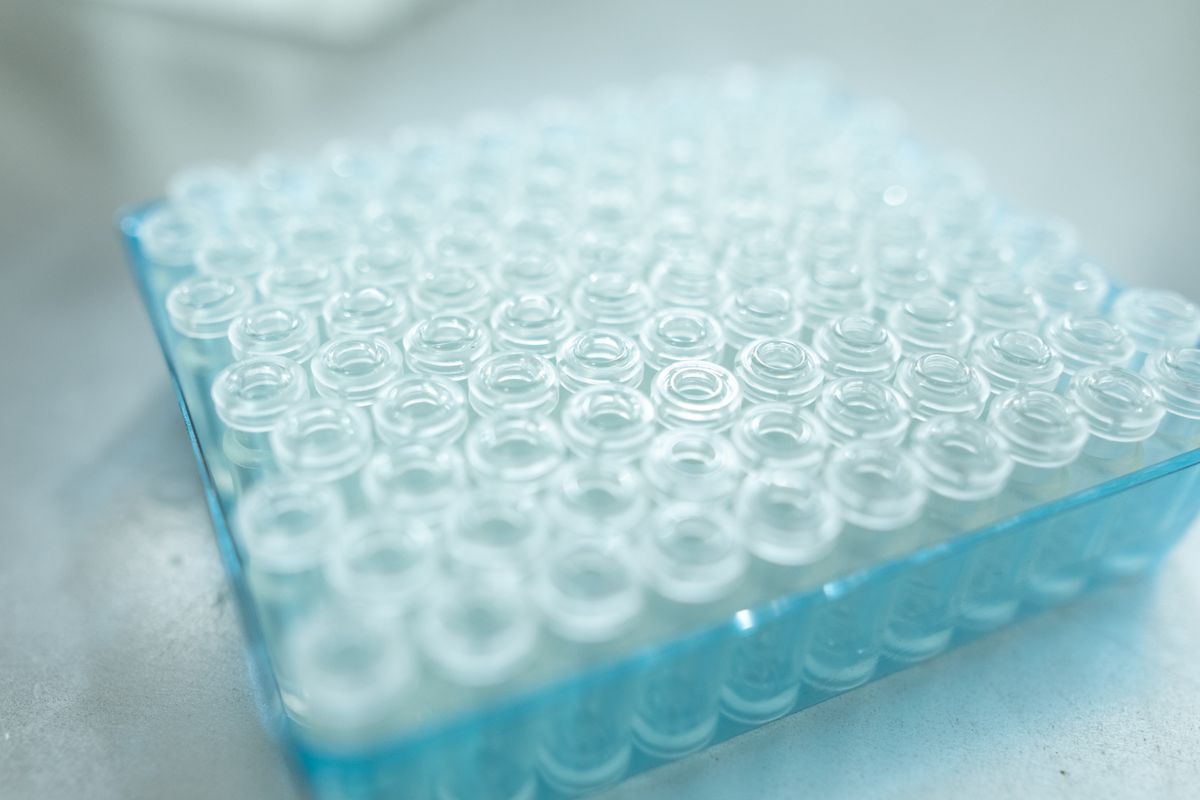
This is the aisle people mean when they say "peptides" in a fitness context, and it is a completely different proposition.
These are compounds sold online in small vials, usually with claims about healing, recovery, fat loss or muscle. BPC-157 is the one you will hear most. And here are the facts that matter, stated plainly:
- They hold no medicines licence for human use. Not from the MHRA, not from anyone. That is precisely why they are sold labelled as "research chemicals, not for human consumption". The label is not a legal formality that everyone winks at. It is an accurate description of what has and has not been established.
- They are prohibited in tested sport at all times. The Prohibited List that UK Anti-Doping enforces contains a category, S0, for non-approved substances: things with no approval from any health authority for human therapeutic use. Anything in it is banned in and out of competition. If you compete in anything tested, this is a straightforward career risk.
- Nobody is checking what is in the vial. No medicines licence means no regulated manufacturing, no verified purity, no guaranteed dose. You are relying on the honesty of an online seller who has legally disclaimed the entire use case.
That last point is the one I would want a friend to sit with. Even if a compound turned out to be brilliant, you would still have the problem of not knowing what is actually in the bottle, in what quantity, or what else came along with it.
We saw a milder version of this with the weight loss patches I looked at earlier in the year, where the product simply did not contain what the advertising implied. The difference is that a useless patch mostly wastes your money.
Aisle three: collagen peptides
Worth separating out, because it causes genuine confusion in both directions.
Collagen peptides are a food supplement. Broken-down protein, usually from animal sources, sold as a powder for skin, hair, joints and nails. They are regulated as food rather than medicine, they are widely available in supermarkets, and they are not remotely the same category as anything in aisle two.
Is the evidence strong? Modest is a fairer word. There is some research suggesting benefit for skin and joint comfort, the effects are not dramatic, and it is generally well tolerated. If you enjoy it and can afford it, it is a reasonable thing to take. If you were hoping it would do something significant for body composition, save your money and buy protein.
The reason this aisle matters is that its respectability gets borrowed. "Peptides are natural, they are just protein" is technically true of collagen and completely irrelevant to an unlicensed compound in a vial.
My honest position, clearly labelled as opinion
I have no product to sell you here, which I think is worth stating, since most people writing about this do.
I am not against pharmacology. I have taken around thirty tablets a day my whole life for Cystic Fibrosis, and I hold no snobbery whatsoever about medicine. What I care about is whether somebody qualified is watching.
With a prescription, someone has taken your history, chosen a dose, and is responsible for what happens. With a vial bought online, that entire layer is missing and the risk has been quietly transferred to you, usually along with a disclaimer saying it was never meant for you in the first place.
And the thing that genuinely frustrates me: almost everyone I meet who is considering this has not yet done the boring work. Sleep is five hours. Protein is guesswork. Training is inconsistent. Chasing an exotic compound while the fundamentals are unhandled is the same pattern I wrote about in not chasing unrecognisable, just with a higher price and a bigger downside.
Get your house in order first. It is unglamorous and it is free and it works.
If you are already using something
No lecture, and I mean that.
If you are using something and it is worrying you, tell your GP. Not to be told off, and they will not be shocked: they see this. They are there to keep you safe and they cannot do that with half the picture. Be straight about what and how much, because it can interact with other things and it matters if you ever need treatment.
See someone promptly if you get anything unusual: reactions at an injection site, swelling, chest symptoms, changes in vision, or feeling generally unwell in a way you cannot explain. And if you compete in a tested sport, check your own status rather than trusting a forum, because the responsibility for what is in your body sits with you.
If you are coming off a licensed GLP-1 rather than anything from aisle two, that is a different conversation and I have covered it in what happens when you stop Mounjaro or Ozempic.
Frequently asked questions
What are peptides in simple terms?
Short chains of amino acids, which are the building blocks of protein. It describes a type of molecule, not a type of product, which is why insulin, weight loss injections and collagen powder can all accurately be called peptides while having almost nothing else in common.
Are peptides legal in the UK?
It depends entirely which one. Licensed peptide medicines are legal on prescription. Collagen peptides are sold as food. The gym-market compounds are typically sold as research chemicals explicitly not for human use, which is why they carry that label, and they hold no authorisation for people to take them.
Is BPC-157 banned in sport?
Yes. It has no approval from any health authority for human therapeutic use, which places it in the non-approved substances category of the Prohibited List, banned at all times both in and out of competition. If you are tested in any capacity, treat it as a definite no.
Are collagen peptides worth taking?
They are safe and there is some modest evidence for skin and joint comfort, so if you like them they are a reasonable purchase. They are not a body composition tool. If your protein intake is low, ordinary protein will do considerably more for you and usually costs less.
Do peptides build muscle?
The ones with genuine evidence behind them are medicines for medical conditions, not muscle-building products. Nothing sold in the gym market has the kind of controlled human evidence you would want before injecting something. Training, protein and sleep remain unglamorous and undefeated.
My gym sells these. Does that make them safe?
No, and it is worth being blunt about it. A gym is not a regulator and has no way to verify what is in a vial. Availability and safety are entirely separate questions, and the person selling to you has an obvious financial interest in your not making that distinction.
That is an extremely normal place to be, and it usually means the plan is not built for your actual week rather than that you need something exotic. DM me STARTING on Instagram @paulbutler.coach and I'll send you The Starting Point: five days of the fundamentals, then a four week plan you can genuinely hold. No cost, no catch.
Or begin right now at paulbutlercoach.co.uk, and read Mounjaro and Ozempic: An Honest Coach's Take for the licensed end of this.
This article is general information from a coach, not medical advice, and nothing in it is a recommendation to use anything. I am not a doctor or a pharmacist. Never take any substance intended to alter your body without a prescription from a qualified professional who knows your history. If you are using something and are worried about it, speak to your GP: they are there to keep you safe, not to tell you off. UK Anti-Doping's guidance on the Prohibited List and the MHRA are linked in the text. Images sourced from Pexels (free to use): Jess Vide, RDNE.
